


Irritable bowel syndrome (IBS)
Irritable bowel syndrome (IBS) is a common long-term condition that affects the digestive system. It causes stomach cramps, bloating, diarrhoea and constipation. Symptoms tend to come and go. There is no cure, but changes to diet and lifestyle often help.
Medically reviewed by Majd Aljeroudi on
Clinically approved options for Irritable bowel syndrome
Select your preferred medicine below, then complete a confidential doctor review.

Colpermin IBS Relief peppermint oil 0.2ml
peppermint oil 0.2ml Colpermin IBS Relief peppermint oil 0.2ml

Alverine Citrate 60mg
60mg Alverine Citrate 60mg
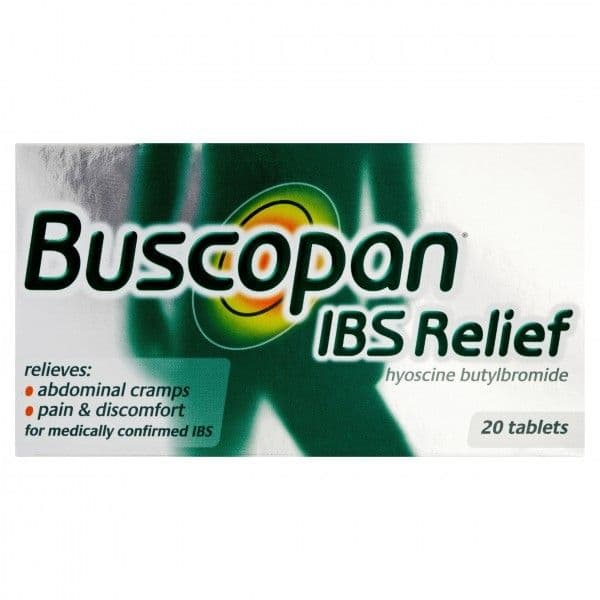
Buscopan IBS Relief 10mg
10mg Buscopan IBS Relief 10mg
Symptoms
The main symptoms are:
- stomach pain or cramps, usually worse after eating and better after you poo
- bloating, where your tummy feels uncomfortably full and swollen
- diarrhoea, which may be watery and come on suddenly
- constipation, where you strain and feel you have not fully emptied your bowels
Some people also have wind, mucus from their bottom, tiredness, feeling sick, backache or a need to pee often. Many people have flare-ups that last a few days, then settle.
Causes and triggers
The exact cause is not known. IBS has been linked to food moving through the gut too quickly or too slowly, oversensitive nerves in the gut, stress and a family history of IBS.
Flare-ups are often set off by:
- some foods and drinks, such as alcohol, fizzy drinks, caffeine, and fatty or spicy food
- stress and anxiety
- eating irregularly or too fast
When to get help
See a GP if you think you have IBS, so they can rule out conditions with similar symptoms, such as coeliac disease. See a GP too if you are 60 or over and your bowel habits have changed.
Ask for an urgent GP appointment or get help from NHS 111 if you have:
- lost weight without trying
- bleeding from your bottom or bloody diarrhoea
- a hard lump or swelling in your tummy
- shortness of breath, a noticeably fast heartbeat or pale skin
Call 999 or go to A&E if you have sudden, severe tummy pain, you are being sick and there is blood in it, or your poo is black or dark red.
Diet, lifestyle and how treatment works
Things that help many people:
- keep a diary of what you eat and any symptoms, to spot triggers
- eat regular meals and do not skip or delay them
- cook meals from fresh ingredients when you can
- cut down on fatty, spicy and processed foods
- limit tea and coffee to 3 cups a day
- drink plenty of fluids, mostly water
- try to exercise and find ways to relax
If you have diarrhoea, cutting down on high-fibre foods such as wholegrain bread may help. If you are constipated, more fibre and water may help. A GP may refer you to a dietitian, who can guide you through a specialist diet such as the low FODMAP diet. Talking therapies can help if stress is a trigger.
Pharmacy and prescription medicines can ease particular symptoms such as cramps, diarrhoea or constipation. A prescriber may ask whether a doctor has already diagnosed your IBS, and may advise you to see your GP first if not.
If you start a consultation with us, you fill in a confidential questionnaire about your symptoms, your health and any medicines you take. A prescriber reviews your answers and decides whether treatment is suitable for you. If it is not, or if you need to be seen in person, they will tell you and explain where to go.
Start a consultation
Answer a confidential questionnaire. A prescriber reviews your answers and decides whether treatment is suitable for you.
Common questions
IBS can be unpleasant and affect daily life, but it does not damage the bowel. Symptoms such as bleeding or weight loss are not caused by IBS and need checking.
There is no single test. A GP will ask about your symptoms and may arrange tests, such as a blood test or a poo sample, to rule out other conditions.
It cuts down on certain carbohydrates that are hard to digest, then reintroduces them to find your triggers. It is best done with a dietitian and is not meant to be followed for life.
Yes. Stress and anxiety are common triggers. Exercise, relaxation and talking therapies can all help.
Sources
Excel Rx is not an emergency service. If you need medical help quickly, call NHS 111 or contact your GP. In an emergency, call 999.