


Hay fever and allergies
Hay fever is an allergy to pollen, the fine powder released by plants. It is usually worse between late March and September, especially when it is warm, humid and windy. Similar symptoms all year round can be caused by an allergy to dust mites, pets or mould.
Medically reviewed by Majd Aljeroudi on
Clinically approved options for Hay fever
Select your preferred medicine below, then complete a confidential doctor review.
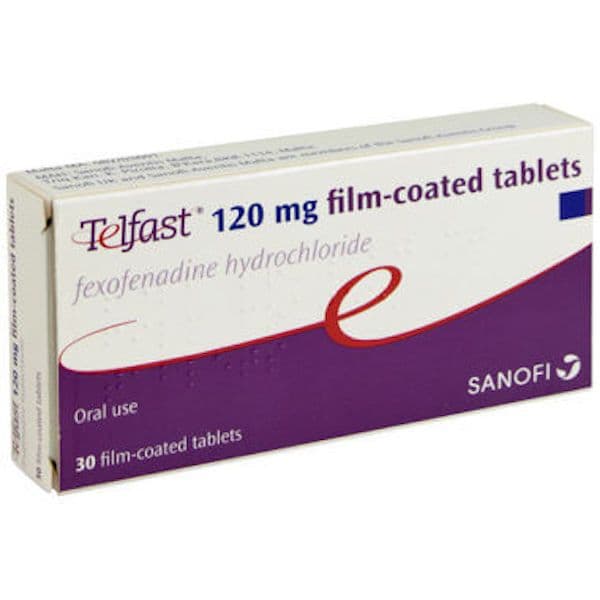
Telfast 120mg
120mg Telfast 120mg
Telfast 180mg
180mg Telfast 180mg
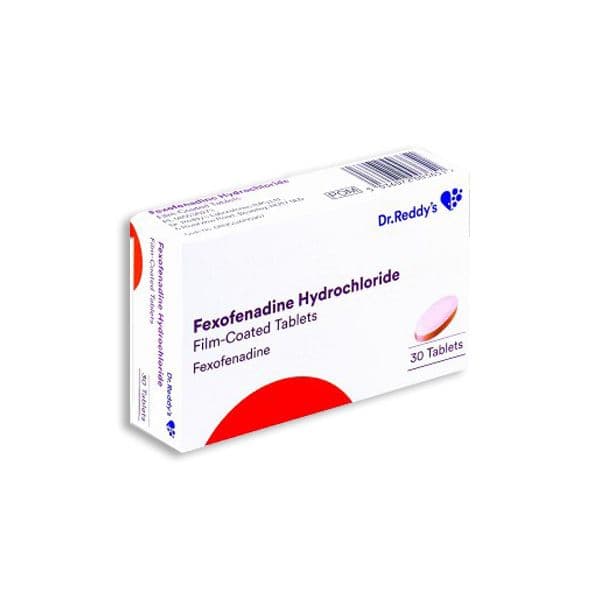
Fexofenadine 120mg
120mg Fexofenadine 120mg
Fexofenadine 180mg
180mg Fexofenadine 180mg
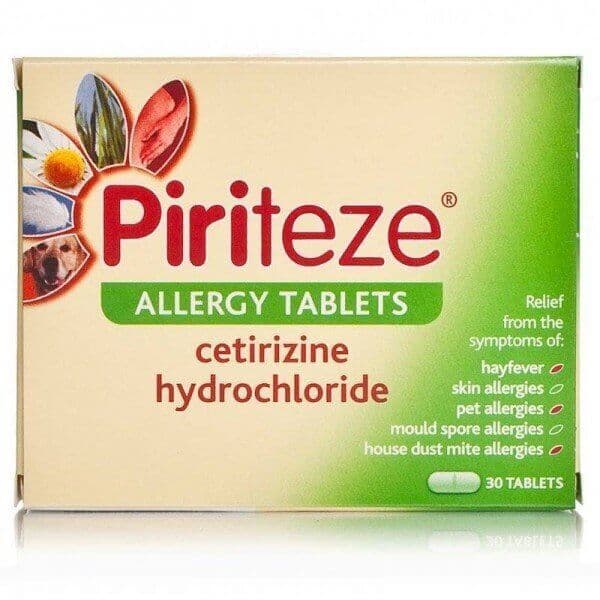
Piriteze Tablets 10mg
10mg Piriteze Tablets 10mg
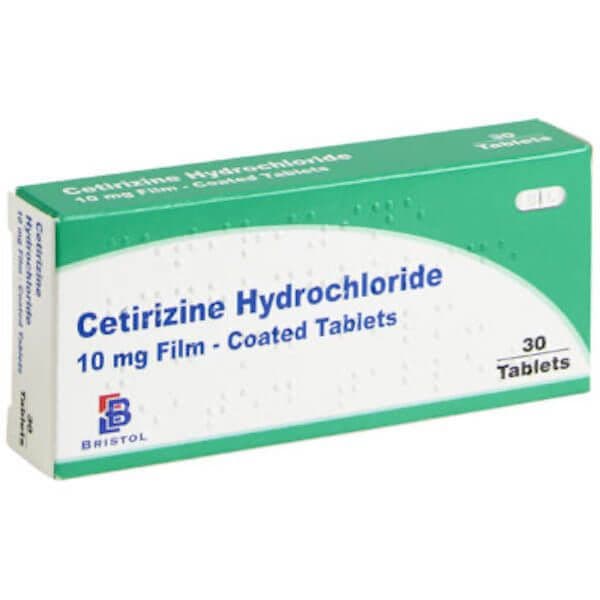
Cetirizine 10mg
10mg Cetirizine 10mg
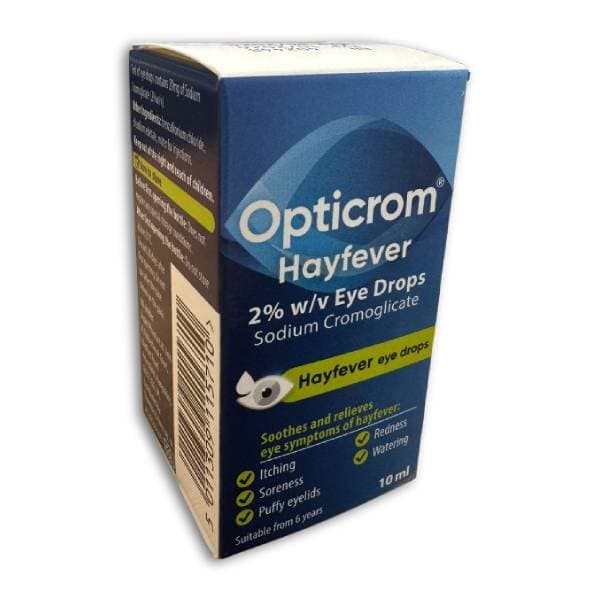
Opticrom Eye Drops 2%
2% Opticrom Eye Drops 2%

Beconase Nasal Spray 0.05%
0.05% Beconase Nasal Spray 0.05%
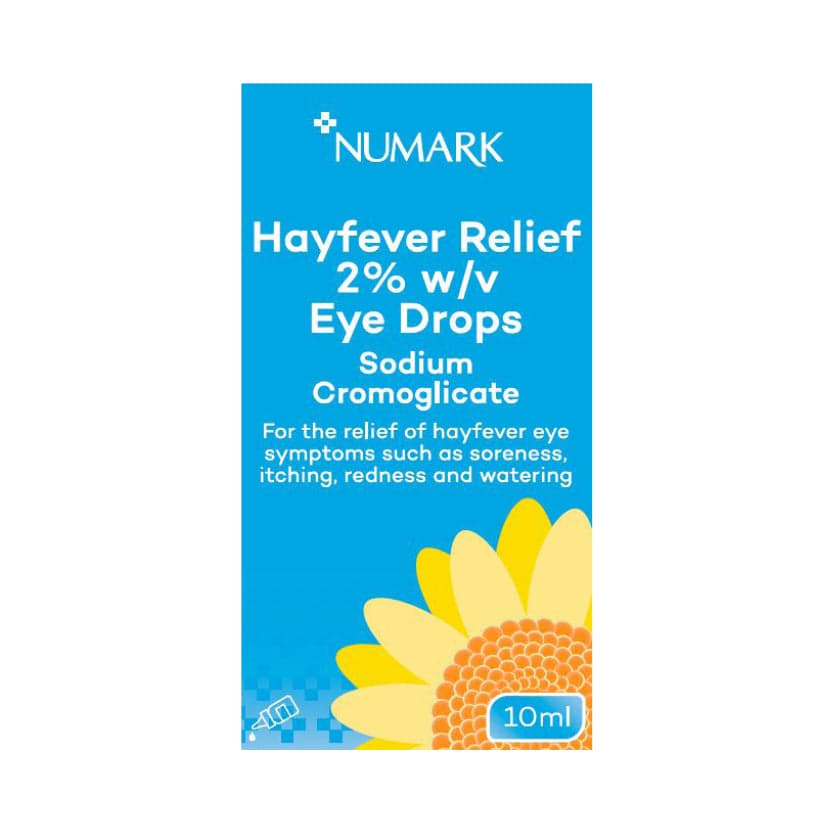
Sodium Cromoglicate Eye Drops 2%
2% Sodium Cromoglicate Eye Drops 2%

Beclometasone Nasal Spray 0.05%
0.05% Beclometasone Nasal Spray 0.05%
Symptoms
Hay fever can cause:
- sneezing and coughing
- a runny or blocked nose
- itchy, red or watery eyes
- itching in your throat, mouth, nose and ears
- loss of smell
- pain around your temples and forehead
- headache
- earache
- feeling tired
If you have asthma, hay fever can make it worse, with a tight chest, wheezing and shortness of breath.
Causes
Your immune system overreacts to pollen and releases chemicals that cause inflammation in your nose, eyes and throat. Different pollens peak at different times: tree pollen in spring, grass pollen from late spring into summer, and weed pollen from late spring to autumn.
You are more likely to get hay fever if you:
- have a family history of allergies
- have asthma or eczema
When to get help
See a GP if:
- your symptoms are getting worse
- treatment from a pharmacy has not helped
- you have asthma and it is harder to control during the pollen season
Call 999 or go to A&E if you have signs of a severe allergic reaction (anaphylaxis), such as:
- swelling of the lips, tongue or throat
- difficulty breathing or swallowing, or wheezing
- feeling faint, or collapsing
Hay fever does not cause anaphylaxis, but other allergies can. Call 999 too if you have asthma and your reliever inhaler is not helping.
Cutting your exposure and how treatment works
There is no cure, but you can lower your exposure to pollen:
- put petroleum jelly around your nostrils to trap pollen
- wear wraparound sunglasses
- shower and change your clothes after being outside
- keep windows and doors shut when the pollen count is high
- vacuum regularly and dust with a damp cloth
- check the pollen forecast and stay indoors when you can on high pollen days
- avoid drying clothes outside and cutting grass
A pharmacist can suggest treatments you can buy, such as tablets, nasal sprays and eye drops. If these do not help, a prescriber may consider other treatment. For severe hay fever, a GP may refer you to a specialist.
If you start a consultation with us, you fill in a confidential questionnaire about your symptoms, your health and any medicines you take. A prescriber reviews your answers and decides whether treatment is suitable for you. If it is not, or if you need to be seen in person, they will tell you and explain where to go.
Start a consultation
Answer a confidential questionnaire. A prescriber reviews your answers and decides whether treatment is suitable for you.
Common questions
A cold usually clears within a week or two and can come with a high temperature or aches. Hay fever lasts for weeks or months, tends to come back at the same time each year and often causes itchy eyes.
Yes. It often starts in childhood or the teenage years, but it can begin at any age.
There is no cure, but symptoms can usually be kept under control. Some people find their hay fever improves as they get older.
Pollen counts tend to be highest in the early morning and evening. Keeping windows closed at these times can help.
Sources
Excel Rx is not an emergency service. If you need medical help quickly, call NHS 111 or contact your GP. In an emergency, call 999.