


Erectile dysfunction (erection problems)
Erectile dysfunction (ED) is when you cannot get or keep an erection firm enough for sex. It is very common, particularly in men over 40. Having trouble now and then is normal and usually nothing to worry about. If it keeps happening, it is worth getting checked, because ED can be an early sign of other health problems.
Medically reviewed by Majd Aljeroudi on
Clinically approved options for Erectile dysfunction
Select your preferred medicine below, then complete a confidential doctor review.
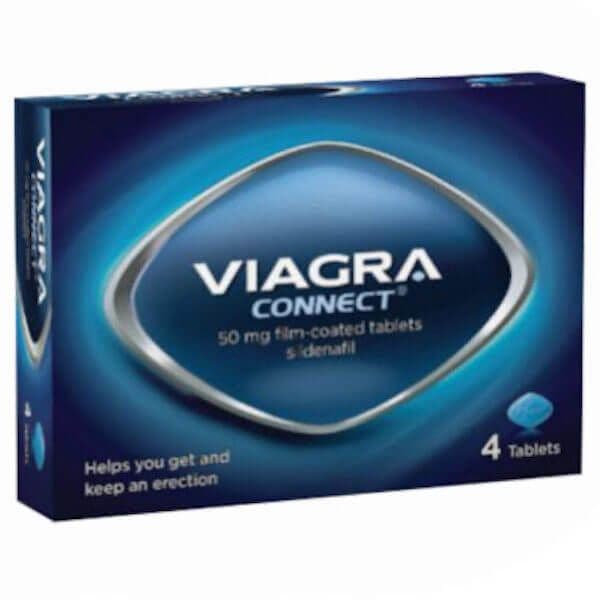
Viagra Connect 50mg
50mg Viagra Connect 50mg
Signs of erectile dysfunction
You may have ED if you regularly:
- cannot get an erection
- get an erection but cannot keep it long enough for sex
- need much more stimulation than you used to
ED can also lead to low confidence, worry about sex and strain in a relationship. These are all worth mentioning when you ask for help.
Causes
ED often has more than one cause. Physical causes include:
- narrowed blood vessels, linked to high blood pressure, high cholesterol, diabetes and smoking
- being overweight
- hormone problems
- side effects of some medicines
- drinking too much alcohol, and recreational drugs
- surgery or treatment for prostate problems
Psychological causes include stress, anxiety, depression, tiredness and relationship problems. If you still get erections in the morning or when you masturbate, a psychological cause is more likely.
When to get help
See a GP or go to a sexual health clinic if ED keeps happening, especially if:
- you also get chest pain or shortness of breath when active, or pain in your legs when walking
- you have diabetes, high blood pressure or heart disease
- it started after you began a new medicine (do not stop a prescribed medicine without advice)
- you have pain, a lump or a new bend in your penis
Go to A&E or call 999 if:
- you have an erection that lasts more than 4 hours
- you get chest pain during or after sex
What helps and how treatment works
Lifestyle changes can make a real difference and help your overall health:
- stop smoking
- lose weight if you need to
- be active most days
- cut down on alcohol
- avoid recreational drugs
- find ways to reduce stress
Depending on the cause, treatment can include medicines, talking therapy such as psychosexual or relationship counselling, and devices such as vacuum pumps. Some men use more than one approach.
If you start a consultation with us, you fill in a confidential questionnaire about your symptoms, your health and any medicines you take. A prescriber reviews your answers and decides whether treatment is suitable for you. If it is not, or if you need to be seen in person, they will tell you and explain where to go.
For ED, the prescriber will look closely at your heart health, your blood pressure and any other medicines you take, as some treatments are not safe alongside certain heart medicines.
Start a consultation
Answer a confidential questionnaire. A prescriber reviews your answers and decides whether treatment is suitable for you.
Common questions
Very common. It becomes more likely with age, but it can happen at any age. Most men have trouble with an erection at some point.
It can be. The blood vessels in the penis are small, so narrowing can show up there before it causes other symptoms. A check of your blood pressure, cholesterol and blood sugar is sensible.
Yes. Stress, anxiety and worry about performance can all cause ED, and one difficult experience can lead to more worry next time. Counselling can help break that cycle.
You do not have to, but your GP can check for underlying causes such as diabetes or high blood pressure. If you use an online service, you will be asked about your health so a prescriber can decide whether it is safe to treat you.
Sources
Excel Rx is not an emergency service. If you need medical help quickly, call NHS 111 or contact your GP. In an emergency, call 999.